Saudi Banks Rely on Dollar Debt to Sustain Strong Lending Growth
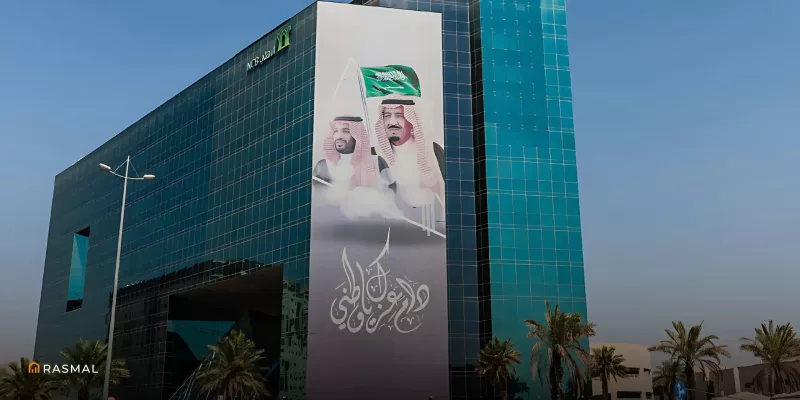
Saudi banks are expected to increasingly tap international debt markets to finance strong lending growth in 2026, benefiting from improved global liquidity conditions and lower interest rates, according to a recent report by S&P Global Ratings.
The agency noted that lending momentum is set to continue, supported by Vision 2030 projects, solid activity across oil and non-oil sectors, rising household consumption, and sizeable annual investments by the Public Investment Fund.
S&P forecasts loan portfolios to expand by around 10% in 2026, with corporate lending remaining the main growth driver amid heavy investment in real estate and utilities.
Retail lending, particularly mortgages, is also expected to grow as borrowing costs ease.
Although government-related deposits remain a key funding pillar, deposit growth has not fully matched loan expansion, prompting Saudi banks to rely more on external debt to bridge funding gaps, pushing loan-to-deposit ratios higher.
In terms of asset quality, S&P anticipates a modest rise in non-performing loans in 2026 due to greater exposure to higher-risk sectors, but stresses that levels should remain manageable compared with regional peers.
Profitability across Saudi banks is expected to stay robust, despite potential pressure from lower interest rates and higher risk costs, as banks continue investing in digital transformation to enhance operational efficiency.